Rabbit Breeds

Rabbit Breeds

Find your perfect match

There are over 50 rabbit breeds recognized by the American Rabbit Breeders Association (ARBA), and dozens more mixed breeds waiting in shelters across the country. We cover the most popular companion breeds to help you understand the personalities, care needs, and day-to-day realities of each one โ€” so you can make a confident, informed choice before bringing a rabbit home.

What to Consider Before Choosing a Breed

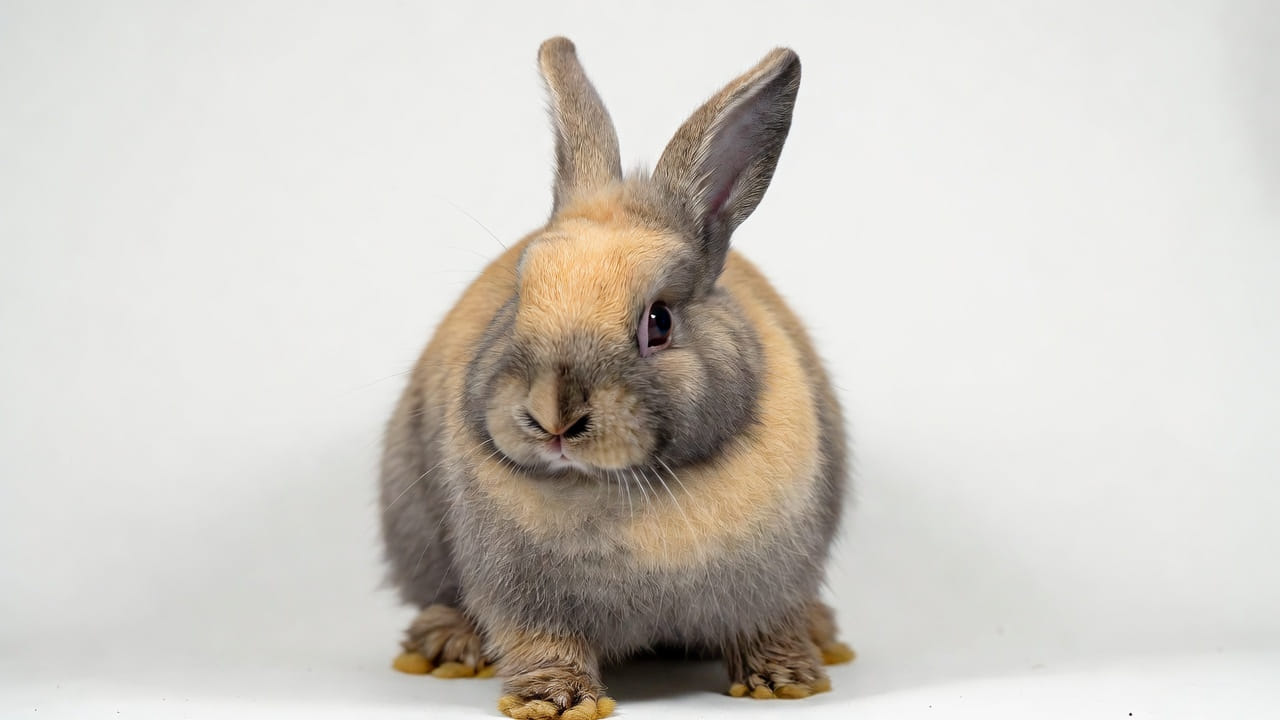
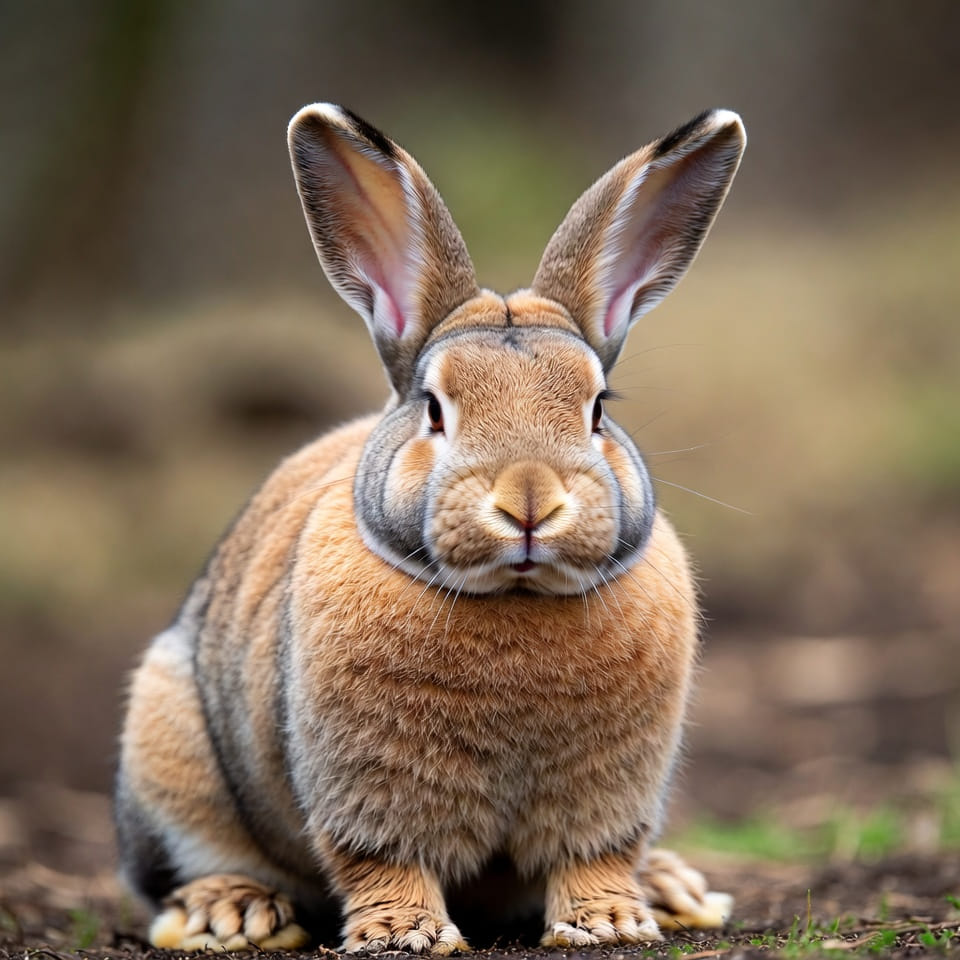
Size matters more than most new owners expect. A 3-pound Netherland Dwarf needs different handling than a 15-pound Flemish Giant, and space requirements, food costs, and veterinary considerations scale accordingly. Small breeds can live comfortably in apartments and are easier to handle for children or people with limited strength. Large and giant breeds need more floor space, stronger enclosures, and often more food โ€” a Flemish Giant can eat two to three times what a small breed consumes. Giant breeds also have shorter lifespans on average, typically 5-7 years compared to 7-10+ for smaller breeds.

Activity level shapes how much daily exercise and enrichment you'll need to provide. High-energy breeds like the Holland Lop, Harlequin, and Netherland Dwarf are curious, athletic, and prone to getting into trouble if under-stimulated. They need at least 3-4 hours of supervised out-of-enclosure time daily and benefit from complex enrichment โ€” tunnels, digging boxes, puzzle feeders. Low-energy breeds like the Flemish Giant, English Lop, and New Zealand are calmer and more sedentary, making them easier to manage in smaller spaces but still requiring daily exercise and social interaction.

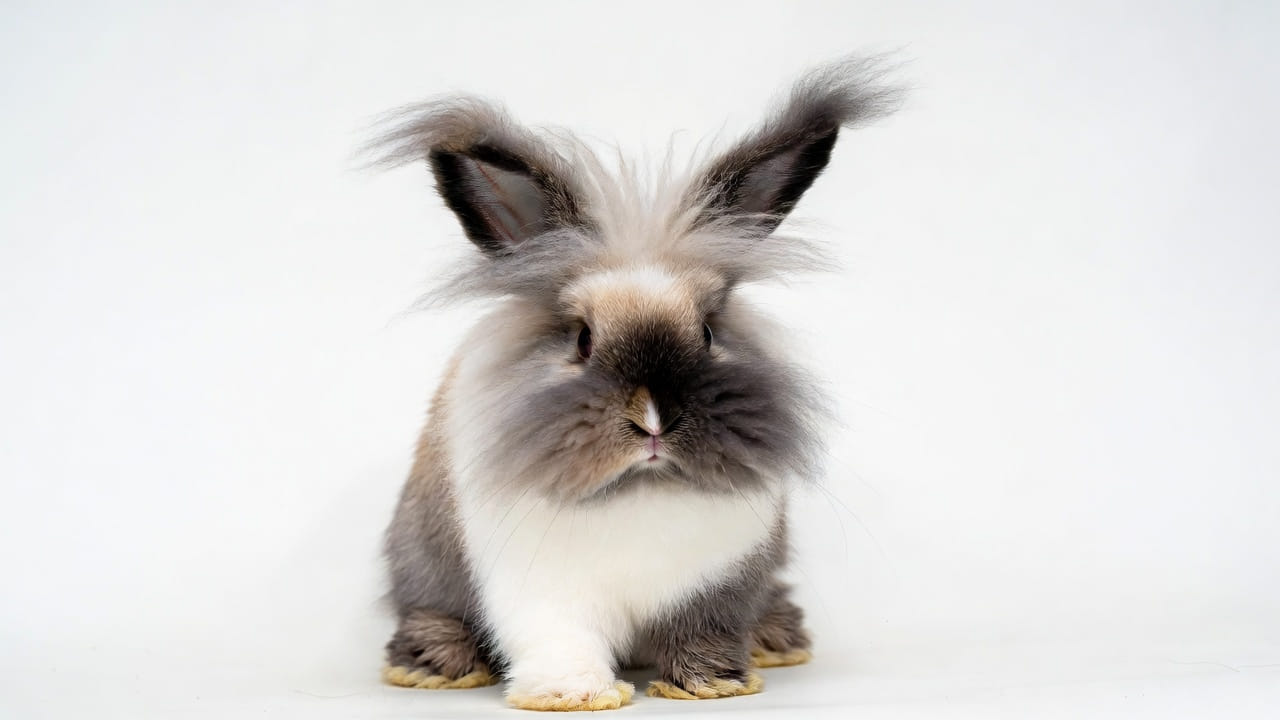
Grooming needs vary dramatically between breeds. Smooth-coated breeds like the Holland Lop, Rex, and Mini Rex need a weekly brush with a slicker brush to remove loose fur and distribute skin oils. Long-coated breeds like the French Angora, English Angora, and Jersey Wooly require several grooming sessions per week to prevent painful matting โ€” neglecting this isn't just a cosmetic issue, it can lead to serious skin problems, fur block ( trichobezoars), and flystrike in warm weather. If you're not prepared to commit to regular grooming, consider a smooth-coated breed or a breed with a moderate coat like the Satin.

Lifespan affects the long-term commitment you're making. Some breeds regularly live 10 years or more with good care โ€” the Netherland Dwarf and Holland Lop are among the longest-lived. Giant breeds like the Flemish Giant and New Zealand typically live 5-7 years. This isn't a reason to avoid giant breeds, but it is a factor in choosing which rabbit fits your life stage. A 10-year commitment is very different from a 7-year one.

Breed Personalities Are Real, But Not Absolute

Personality isn't just breed-typical behavior โ€” individual rabbits vary enormously. But certain tendencies are consistent enough across breeds to be useful guidance. Docile, tolerant breeds are generally better choices for households with children. The Flemish Giant, Californian, New Zealand, and Blanc de Hotot are known for tolerating handling and generally not reacting aggressively to the inevitable mishandling that happens with young kids. Small, high-energy breeds like the Netherland Dwarf and Polish tend to be more skittish and less patient with clumsy handling.

If you live in a small apartment, a quieter, lower-energy breed may suit you better โ€” not because large rabbits can't live in apartments (they can, if given enough exercise time), but because high-energy small breeds can be louder and more demanding in a confined space. If you work from home and can give constant supervision, a curious, active breed is manageable. If you're away for long stretches, a calm, independent breed will adapt better.

Bonding matters too. Some breeds are notoriously easy to bond with their humans โ€” the Rex and Mini Rex are often described as dog-like in their affection and eagerness for interaction. Others, like the Polish and Netherland Dwarf, can remain somewhat aloof even with years of patient socialization. This isn't a reason to avoid a particular breed, but it matters what you're looking for in a relationship with your pet.

Health Considerations by Breed Type

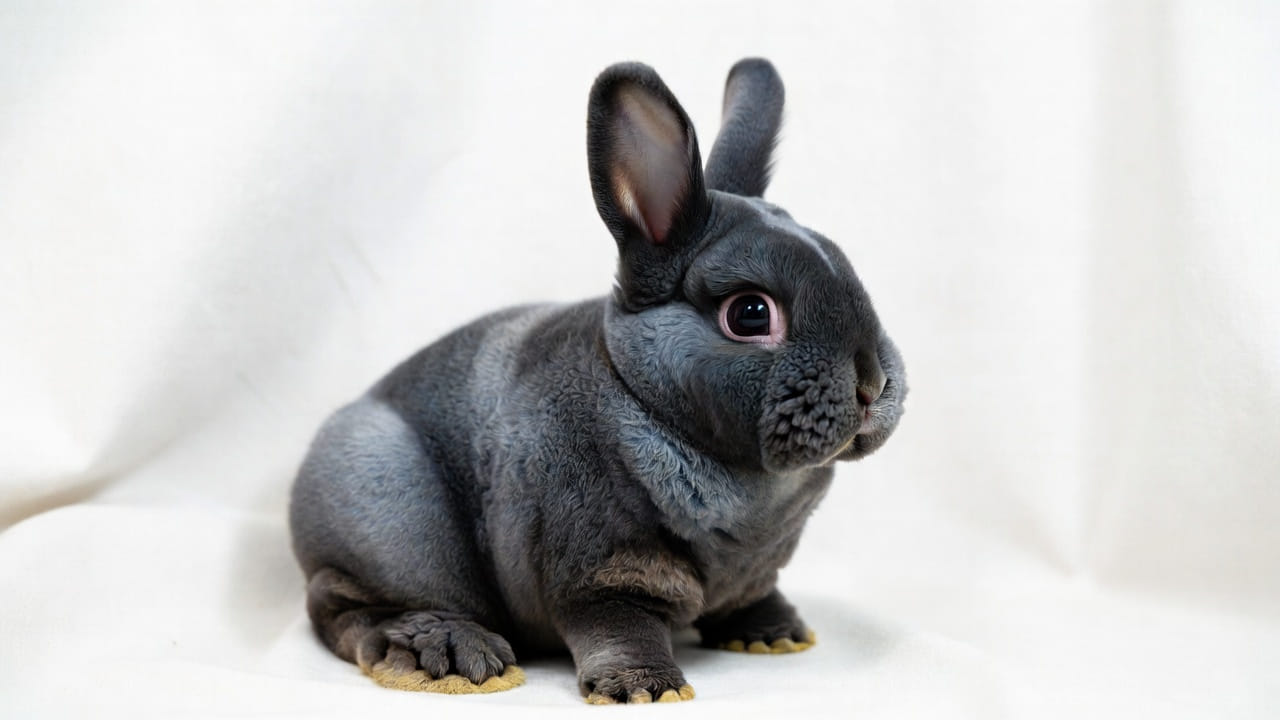
Dwarf and small breeds have specific health risks worth knowing about dwarf rabbit syndrome โ€” a cluster of conditions including dental malocclusion, ear infections, and structural problems that appear more frequently in intentionally dwarfed rabbits. Not all dwarf rabbits develop these issues, but they occur at higher rates than in non-dwarfed breeds. Reputable breeders screen for these conditions; backyard breeders and pet store rabbits often don't.

Lop-eared breeds (Holland Lop, Mini Lop, English Lop) are prone to ear infections because their dropped ear canals don't ventilate well. Check ears weekly for wax buildup and signs of infection โ€” early intervention matters. Long-coated breeds need daily grooming and regular sanitary clips around the hindquarters to prevent flystrike and faecal matter building up in the fur.

Giant breeds are more prone to sore hocks (pododermatitis) because their weight stresses their foot pads, especially on hard flooring. Provide thick, soft bedding and avoid wire-bottom cages entirely for any breed. All rabbits benefit from solid-floored enclosures with ample soft bedding.

What About Mixed Breeds?

Looking for a rabbit? Mixed-breed shelter rabbits make wonderful companions. They often have fewer breed-related health issues because the extreme physical traits of purebreds (extreme dwarfism, extreme lop ears, extreme wool production) are bred out. Their personalities come without breed stereotypes โ€” you get the rabbit you meet, not the rabbit you expected. Check out rabbits available for adoption โ€” you might find your perfect match that isn't on this list.
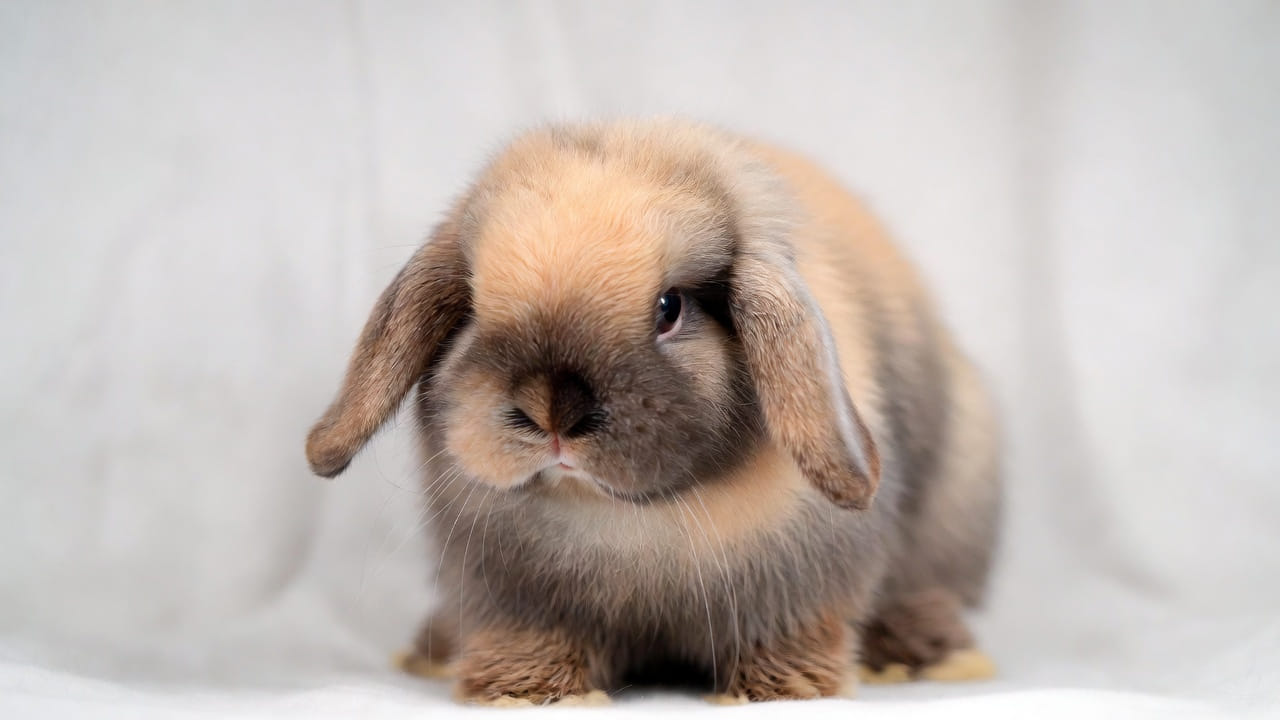
Whether you fall in love with a purebred or a mixed-breed shelter rabbit, what matters most is finding the right fit for your home, your experience level, and your lifestyle. Use the breed profiles below to learn about each breed's specific needs โ€” then visit your local shelter or rescue to meet individual rabbits who may surprise you.

โš ๏ธ Medical information: This article is for general educational purposes and is not a substitute for professional veterinary care. Always consult a rabbit-savvy veterinarian for health concerns. See our full disclaimer.

โš ๏ธ Medical information: This article is for general educational purposes and is not a substitute for professional veterinary care. Always consult a rabbit-savvy veterinarian for health concerns. See our full disclaimer.

Finding the Right Breed for You

Choosing a rabbit breed is not just about appearance โ€” it is about finding a companion whose size, temperament, energy level, and care requirements fit your lifestyle. A breed that is perfect for one household may be a poor match for another.

Consider these factors before deciding: How much space can you dedicate to housing and exercise? How much time can you spend on grooming? Do you have young children, other pets, or a noisy household? What is your experience level with rabbits? Are you looking for a rabbit who enjoys being held, or one who prefers to be near you without being picked up?

Rabbits range from the tiny Netherland Dwarf at under 3 pounds to the Flemish Giant at 15 pounds or more. Coat types range from the sleek, easy-care satin coat to the high-maintenance wool of Angora breeds. Temperaments vary by individual rabbit as much as by breed, but certain generalizations hold true โ€” Netherland Dwarfs can be skittish, Lionheads are often bold and curious, and larger breeds tend toward calm docility.

Visit our rabbit-savvy vet finder before bringing a rabbit home, and consider checking local rescues first โ€” many purebred rabbits end up in shelters because owners were not prepared for the commitment.

What to Expect From Different Rabbit Personalities

Within any breed, individual rabbits have their own personalities โ€” some are bold and curious, others are shy and reserved. But certain breed tendencies do show up consistently enough to be worth knowing before you bring a rabbit home. Netherland Dwarfs and other small breeds tend to be higher energy and more easily startled, which can make them less ideal for households with young children or loud activity. Lionheads are often described as curious and sometimes mischievous โ€” they tend to be interested in their environment and can be more interactive than other breeds. Flemish Giants and other large breeds are frequently reported as calm, docile, and tolerant, which makes them popular with families. Angoras are often quiet and less active, sometimes described as calm but can be more demanding in terms of grooming needs.

These are generalizations, not guarantees. The best way to know a rabbit's personality is to spend time with them before adopting โ€” ask the rescue or breeder if you can visit and observe the rabbit in their current space. Pay attention to how they react to movement, sound, and interaction. A rabbit who freezes or thumps repeatedly in a busy environment may struggle in a household with children or other pets.

Breed-Specific Costs to Consider

Some breeds carry costs beyond the adoption fee. Long-haired breeds like Angoras and Lionheads require regular grooming โ€” either at home with proper tools or professionally, which adds up over time. Large breeds like Flemish Giants need bigger enclosures, more hay, and higher doses of any medication or supplement. Dwarf breeds are more prone to dental problems because their skulls are compressed, which can mean more frequent vet visits for tooth trims. Before choosing a breed, research the common health issues associated with it and factor those into your decision. A breed that is beautiful and charming but expensive to maintain may not be the right choice for your budget.

Where to Find Your Rabbit

Once you have narrowed down which breeds interest you, the next decision is where to get your rabbit. Animal shelters and rabbit-specific rescues often have purebred and mixed rabbits available, and adopting from a rescue means you are giving a rabbit a second chance at a good home. Many rescue rabbits come with background information about their personality and behavior, which makes the transition easier.

Breeders are another option, particularly if you want a specific breed or are looking for a rabbit with known genetic health lines. If you go through a breeder, visit their facility in person before committing. Ask to see where the rabbits are kept, how they are handled, and what health guarantees the breeder offers. A reputable breeder will be transparent about their operation and happy to answer questions.

Common Misconceptions About Rabbit Breeds

One of the most persistent myths about rabbit breeds is that size determines care difficulty. While it is true that larger rabbits eat more hay and need bigger enclosures, the actual complexity of care is driven more by coat type, energy level, and individual temperament than by weight alone. A small Netherland Dwarf with a thick double coat requires more grooming maintenance than many medium-sized breeds with simple fur.

Another misconception is that certain breeds are inherently cuddly. No breed is naturally disposed toward being picked up and held โ€” rabbits who enjoy cuddling have been socialized to it from a young age, which is a product of their individual history, not their genetics. When choosing a rabbit, prioritize temperament over breed stereotypes. Spend time with the individual rabbit before deciding, and ask the rescue or breeder about how they have handled human interaction.

Common Misconceptions About Rabbit Breeds

One of the most persistent myths about rabbit breeds is that size determines care difficulty. While it is true that larger rabbits eat more hay and need bigger enclosures, the actual complexity of care is driven more by coat type, energy level, and individual temperament than by weight alone. A small Netherland Dwarf with a thick double coat requires more grooming maintenance than many medium-sized breeds with simple fur.

Another misconception is that certain breeds are inherently cuddly. No breed is naturally disposed toward being picked up and held โ€” rabbits who enjoy cuddling have been socialized to it from a young age, which is a product of their individual history, not their genetics. When choosing a rabbit, prioritize temperament over breed stereotypes. Spend time with the individual rabbit before deciding, and ask the rescue or breeder about how they have handled human interaction.

Ready to Bring Home a Rabbit?

We recommend adoption from local shelters or rescues. Thousands of rabbits need loving homes every year.

Find a Rabbit