
Keeping Rabbits — Your Guide to Happy, Healthy Rabbits
Everything your rabbit needs to thrive — written with expertise and heart. From first-day setup to senior care, we've got you covered.
What We Offer
Getting Started
New to rabbits? Everything you need to know for the first week and beyond.
Get Started →Health & Wellness
Learn to recognize signs of illness, preventive care tips, and when to seek veterinary help.
Learn More →Recommended Products
Curated picks for hutches, feeders, toys, and more — vetted by rabbit owners.
See Products →

Why Rabbits Make Great Companions
Rabbits are one of the most misunderstood companion animals. They are not starter pets, and they are not cats or dogs in miniature. They are something entirely their own — and that is precisely what makes them so rewarding.
Quiet and Considerate
Rabbits are naturally quiet. They do not bark, and they rarely make noise beyond a soft foot thump or a contented tooth grind when petted. This makes them well-suited for apartments and close quarters.
Surprisingly Smart
Rabbits can learn their names, come when called, solve simple puzzles, and be litter trained. They form strong bonds with their owners and can show affection in subtle, individual ways.
Low Impact Footprint
Rabbits require far fewer resources than dogs or cats — less food, less space, and less veterinary intervention for routine care. For households conscious of their environmental footprint, this matters.
That said, rabbits require a serious time commitment. They live 10–12 years on average, need daily exercise outside their enclosure, and require rabbit-savvy veterinary care which can be harder to find than a standard dog or cat vet.
From Our Articles
Deeper dives into the topics that matter most to rabbit owners.

GI Stasis: The Condition Every Rabbit Owner Must Know
GI stasis is one of the most common and dangerous health emergencies in rabbits. Know the signs before it becomes a crisis.
Read More →
How to Bond Rabbits: A Step-by-Step Guide
Introducing two rabbits to each other takes patience and the right setup. Here is the method that works — and the mistakes to avoid.
Read More → 13 Signs Your Rabbit Is Happy
Rabbits express contentment in ways that are easy to miss if you do not know what to look for. Here is what a truly happy rabbit looks like.
Read More →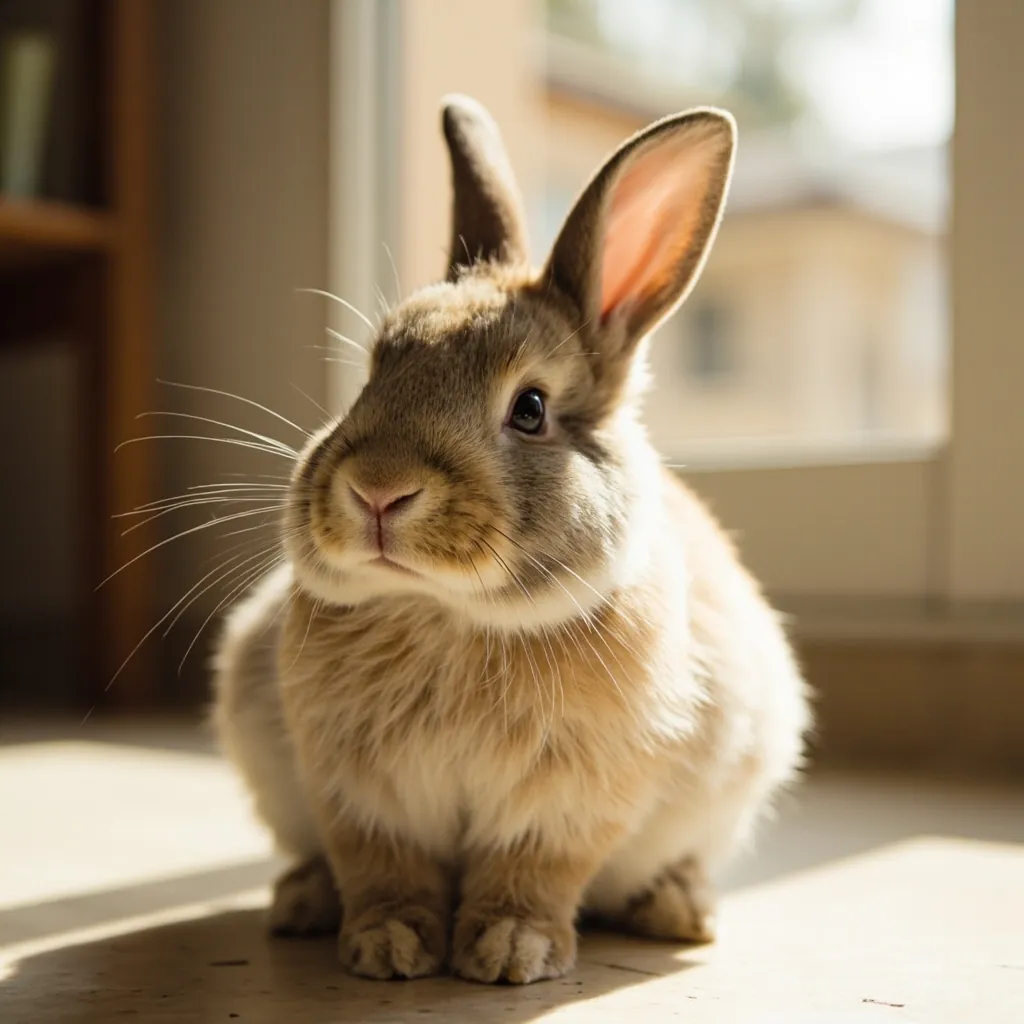
Rabbit Body Language: What Your Rabbit Is Telling You
Rabbits communicate constantly through their posture, movements, and sounds. Learn to read what your rabbit is actually saying.
Read More →
Best Hay for Rabbits: A Complete Feeding Guide
Hay should make up 80% of your rabbit's diet. Here is everything you need to know about types, amounts, and quality.
Read More →
Rabbit Grooming: A Complete Care Guide
Regular grooming keeps your rabbit healthy and strengthens your bond. Here is what to do, how often, and what to watch for.
Read More →
Senior Rabbit Care: Keeping Your Older Rabbit Healthy
As rabbits age they need special care. Learn how to adapt their environment, diet, and health monitoring for their golden years.
Read More →
Did You Know?
Ready to Bring a Rabbit Home?
Rabbits are a 10–12 year commitment. Make sure you're prepared with our free guides.
FAQ
Common Questions
Quick answers to what new rabbit owners ask most.
1 Are rabbits good pets for children?
It depends on the child and the setup. Rabbits are fragile and can bite or scratch if handled roughly or startled. Children under 8 who have not yet learned to be gentle are not a good match. Older children who can be calm and consistent — and who are supervised by an adult — can form wonderful bonds with rabbits.
2 Do rabbits smell?
Healthy, spayed or neutered rabbits kept in a clean enclosure do not have a noticeable odor. The most common source of rabbit smell is an uncleaned litter box or an unneutered male marking territory. Daily spot cleaning and weekly full litter changes keep odor to zero.
3 Can rabbits live outside?
They can, but indoor rabbits consistently live longer and healthier lives. Outdoor rabbits face predators, weather extremes, and less social stimulation. If outdoor housing is the only option, a secure hutch with a sheltered run, protection from sun and cold, and daily human interaction is the minimum.
4 What do rabbits eat?
The foundation of a rabbit's diet is unlimited timothy hay — they should eat a pile of hay roughly their own body size every day. Supplement with a small amount of pellets (about 1/4 cup per day for an average adult rabbit), one cup of fresh leafy greens per day, and occasional fruit treats in very small amounts.
5 How much veterinary care do rabbits need?
Annual checkups with a rabbit-savvy vet are standard. Rabbits also need to be spayed or neutered, which significantly reduces health risks and behavioral problems. Beyond that, budget for unexpected illness — rabbits can go downhill quickly and may need emergency care. Exotic or exotic-specialist vets are the right choice, not general small-animal vets.

Rabbits are intelligent, social animals who form strong bonds with their families.
What Rabbit Owners Are Saying
"This site helped me understand GI stasis signs I would have missed. I caught it early and my rabbit recovered fully. I can't thank Janie enough."
— Sarah M., Denver, CO
"The litter training guide saved me weeks of frustration. Everything finally clicked once I understood why the box placement mattered so much."
— Mike T., Austin, TX
"I recommend this site to every new rabbit owner I meet. The information is practical, honest, and written by someone who's clearly been there."
— Priya K., Portland, OR
