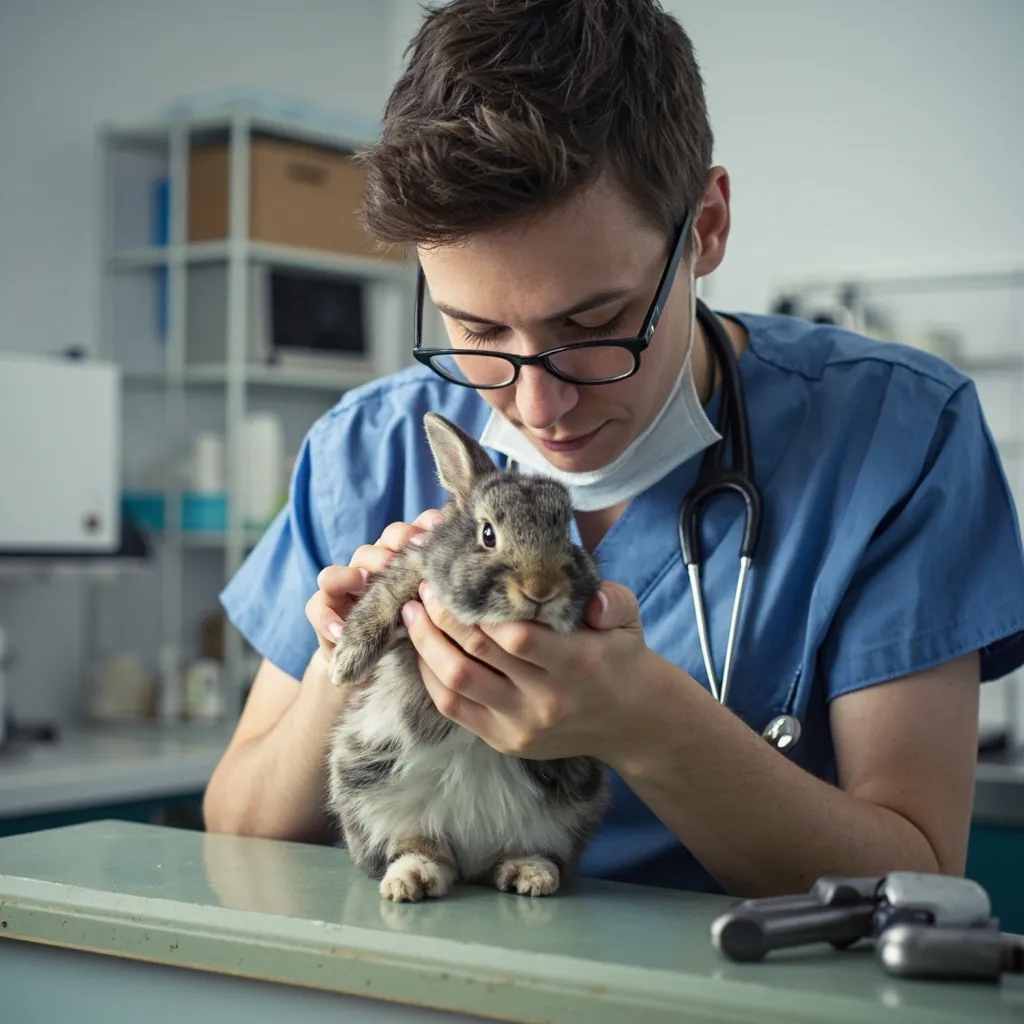
Rabbit Hemorrhagic Disease Virus 2 (RHDV2) is one of the most dangerous viral threats affecting rabbits worldwide, and it has been creeping across the United States since its first confirmed appearance in 2020. If you own rabbits — whether house rabbits or outdoor rabbits — you need to understand this disease and what you can do to protect your animals.
Here is what every US rabbit owner should know.
⚠️ Medical information: This article is for general educational purposes and is not a substitute for professional veterinary care. Always consult a rabbit-savvy veterinarian for health concerns. See our full disclaimer.
What Is RHDV2?
RHDV2 is a highly contagious calicivirus that causes hemorrhagic disease in rabbits. It attacks the liver and other organs, leading to internal bleeding and organ failure. The original strain (RHDV1) has existed for decades in other countries, but RHDV2 is a newer variant that first appeared in Europe and has since spread globally.
The virus is remarkably stable outside the host — it can survive for months in the environment, making it extremely difficult to eradicate once established in an area. This stability is part of what makes it so dangerous for rabbit populations.
Mortality rates for RHDV2 are significant. Depending on the strain and the rabbit's exposure, death rates range from 5% to 70% in infected rabbits. Some rabbits die without showing any obvious symptoms, which makes it easy for the disease to spread unnoticed through a population.
How It Spreads
RHDV2 spreads through multiple routes, which makes biosecurity challenging:
- Direct contact — Nose-to-nose contact between rabbits, including rabbits at shows, boarding facilities, or pet stores.
- Contaminated objects — Water bowls, feeders, cages, clothing, shoes, and hands can carry the virus from an infected area to your rabbits.
- Insects — Flies, fleas, and mosquitoes can mechanically transmit the virus on their bodies from infected carcasses or manure to live rabbits.
- Carriers — Birds, rodents, and other animals can move the virus on fur, feet, or feathers without being affected themselves.
- Contaminated hay or feed — If hay or pellets have come into contact with infected rabbit waste or carcasses, they can carry the virus.
The virus does not currently appear to infect humans or other pets, but humans can absolutely carry it on their hands, clothing, and shoes.
Symptoms to Watch For
RHDV2 can kill very quickly — some rabbits die within 12 to 36 hours of infection. Signs include:
- Lethargy and loss of appetite
- Fever or hypothermia (body temperature swings)
- Labored breathing or gasping
- Bloody discharge from the nose, mouth, or rectum
- Neurological signs — paddling, circling, or seizures
- Sudden death with no prior symptoms
If you find a dead rabbit in your care with no obvious cause, treat it as a potential RHDV2 case until proven otherwise. Do not handle the body without gloves, and do not introduce new rabbits into that space without proper decontamination.
The Vaccine Landscape in the US
Until recently, there was no approved RHDV2 vaccine available in the United States. That changed with Medgene, a US-based animal health company that received conditional FDA approval for an RHDV2 vaccine.
Medgene's RHDV2 Vaccine — Medgene's vaccine uses a vector-based platform and received USDA conditional licensing. It is the only currently available RHDV2 vaccine in the US market. The vaccine requires two doses, given 3 weeks apart, followed by annual boosters. It has shown efficacy against both RHDV1 and RHDV2 strains in trials.
To obtain the Medgene vaccine, you typically need a veterinarian to order it through the company — it is not a standard stock item at every clinic. Not all rabbit-savvy vets are aware of it or know how to order it, which can be a barrier. If your regular vet does not know the vaccine, ask them to contact Medgene directly or seek a vet experienced with exotic or rabbit-specific care.
Internationally, vaccines such as Eravac and other inactivated RHDV2 vaccines exist in Europe and Australia, but these are not available for routine use in the US and cannot be imported for individual use without special authorization.
Should You Vaccinate?
Whether vaccination makes sense depends on your individual situation. Consider these factors:
- Geography — RHDV2 has been confirmed in multiple US states including Texas, New York, Ohio, Arizona, California, and others. Outbreaks tend to cluster in specific regions. Check whether your area has had confirmed cases.
- Indoor versus outdoor — Indoor-only rabbits face lower exposure risk from insects and wild carriers, but humans can still bring the virus inside on clothing and shoes.
- Travel and boarding — If your rabbit attends shows, visits the vet frequently, or is boarded, the risk increases.
- Multi-rabbit households — More rabbits means more potential vectors of infection.
- Wild rabbit proximity — If wild rabbits are common in your area or yard, your rabbits face higher environmental exposure.
Talk to a rabbit-savvy vet about your specific risk profile. In high-risk areas or households with outdoor access, vaccination is increasingly becoming the standard recommendation.
Finding a Rabbit-Savvy Vet Who Knows About RHDV2
This is often the hardest part. Most general-practice vets have limited experience with RHDV2, and even fewer are familiar with the Medgene vaccine protocol. Here is how to find help:
- House Rabbit Society — The HRS vet list is the best starting point for finding rabbit-experienced veterinarians across the US.
- Medgene's website — Medgene maintains a locator for vets who have ordered their vaccine.
- Rabbit rescues in your area — Rescues often know which vets are rabbit-friendly and up to date on emerging diseases.
If your vet is unwilling to learn about RHDV2 or the vaccine, find another vet. This is not an area where you want a practitioner who is guessing.
Biosecurity: Protecting Your Rabbits
Vaccination is not the only tool — biosecurity matters enormously with RHDV2 because the virus is so environmentally stable. Practical steps:
- Change clothes and wash hands before handling your rabbits if you have been near other rabbits or outdoor areas.
- Use shoe covers or remove shoes before entering your rabbit space if you have been walking where wild rabbits have been.
- Keep wild birds and rodents away from your rabbit housing and food.
- Do not feed hay or greens that may have been exposed to wild rabbit areas.
- If you have an outbreak or sudden death, isolate remaining rabbits immediately and contact your vet.
What to Do If You Suspect an Outbreak
If you have multiple rabbits and one dies suddenly, or if you see the symptoms described above:
- Do not move rabbits in or out of the area.
- Wear gloves when handling any rabbit or cage equipment.
- Contact your vet immediately — if they do not know about RHDV2, ask them to consult with a rabbit specialist.
- Report the case to the USDA APHIS (Animal and Plant Health Inspection Service) — they track RHDV2 outbreaks and need to know about confirmed and suspected cases.
- Decontaminate the environment with a 10% bleach solution or a veterinary-grade disinfectant effective against caliciviruses.
RHDV2 is a serious threat, but it is manageable with the right information. Talk to your vet, assess your risk, and take biosecurity seriously. Your rabbits depend on you to stay informed.
When to Seek Professional Help
While home care can manage many situations, some circumstances require immediate professional veterinary attention. Understanding the difference between what you can handle yourself and what needs a veterinarian is one of the most important skills a rabbit owner can develop.
Contact a rabbit-savvy veterinarian immediately if:
- Your rabbit has stopped eating or drinking entirely
- You notice difficulty breathing or persistent wheezing
- There is visible injury, bleeding, or open wounds
- Your rabbit is unresponsive, severely lethargic, or unable to stand
- You suspect poisoning from a toxic plant or substance
- There has been no fecal output for more than 12 hours
Keep your veterinarian's contact information and the number of the nearest after-hours emergency rabbit clinic posted somewhere easy to find. A rabbit emergency at 10pm is a terrible time to be searching for a phone number.
Long-Term Management and Prevention
Many rabbit health and behavior issues can be prevented or minimized with consistent daily care. A stable routine, appropriate diet, clean housing, and regular veterinary checkups form the foundation of preventive care. Monitor your rabbit daily for subtle changes — a slightly reduced appetite one day might be nothing, or it might be the first sign of a developing problem.
Keep a log of your rabbit's normal behavior, droppings, eating patterns, and energy levels. When you know what normal looks like, you will notice deviations much faster. Early detection of problems almost always means simpler, cheaper treatment and better outcomes.
Building a Rabbit-Savvy Care Routine
The best rabbit care is routine-driven and consistent. Feed at the same times each day, clean the enclosure on a regular schedule, and provide fresh water daily. Handle your rabbit gently and consistently to build trust. Spay or neuter to prevent reproductive cancers and reduce problem behaviors. Keep your rabbit's environment stable — rabbits thrive on predictability.
Invest in quality hay, appropriate housing, and the best veterinary care you can afford. The upfront cost of proper setup and preventive care is far less than treating a preventable illness or emergency.
