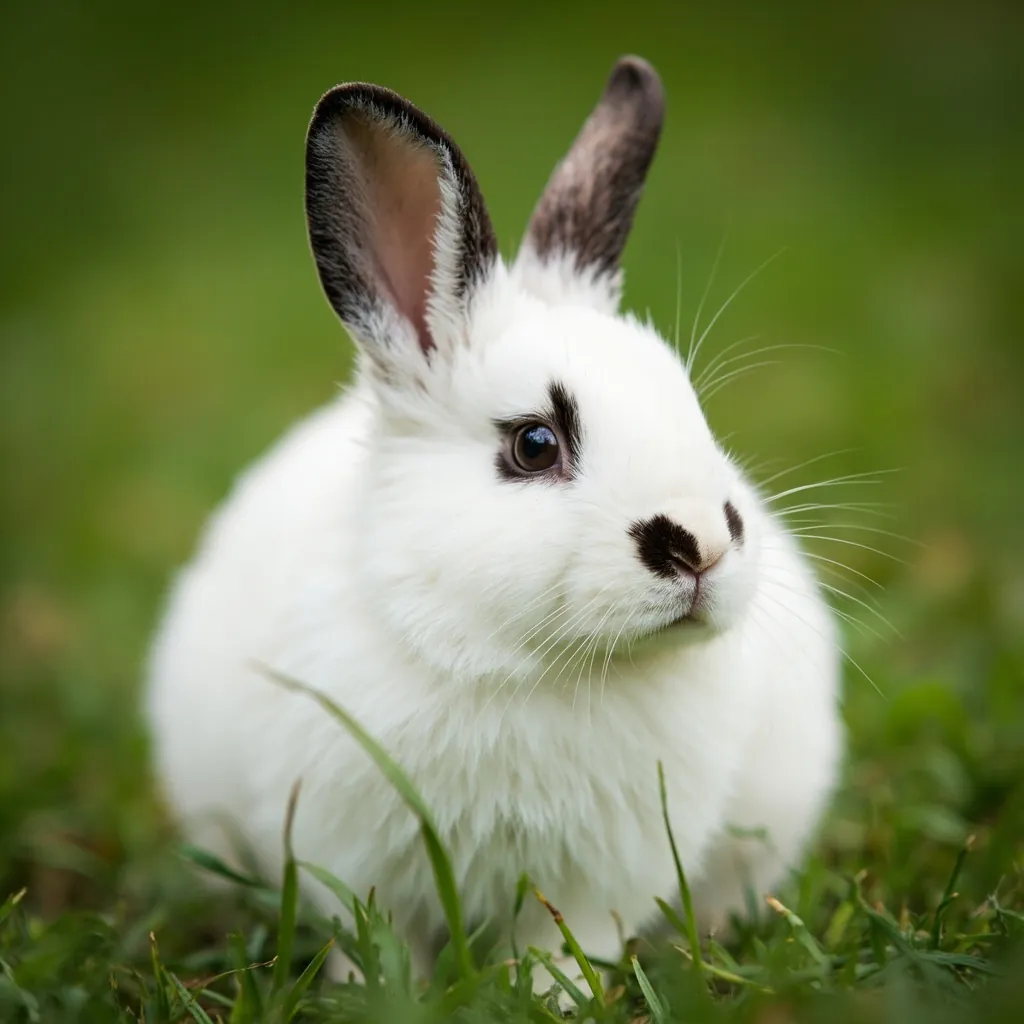
Blanc de Hotot rabbits are generally healthy, robust rabbits with a typical lifespan of 7 to 10 years when well cared for. As a large breed, they face some specific health considerations that differ from smaller rabbits—mostly related to their size, weight, and the unique characteristics of their pure white coat. Understanding what to watch for helps you catch problems early and keep your Hotot thriving.
⚠️ Medical information: This article is for general educational purposes and is not a substitute for professional veterinary care. Always consult a rabbit-savvy veterinarian for health concerns. See our full disclaimer.
Reproductive Cancer: The Spaying Imperative
Uterine cancer is as serious in large breeds as it is in small ones. Unspayed female Hotot rabbits face a very high risk of uterine cancer as they age—studies indicate up to 80% of unspayed does across all rabbit breeds develop uterine cancer by age 5 or 6. This is a preventable disease with a simple surgery.
Spay your Hotot rabbit between 4 and 6 months of age, before the first heat cycle. For males, neutering at 4 to 5 months prevents testicular cancer and reduces territorial marking behavior. The surgical risk for a large rabbit is manageable in the hands of an experienced rabbit veterinarian—the health benefits far outweigh the routine surgical risk.
If you have adopted an older unspayed Hotot, discuss the risks and benefits of spaying with your rabbit vet. Many veterinarians will still perform the procedure on mature does despite the slightly higher surgical risk.
Dental Disease: Watch Those Teeth
Dental problems are among the most common health issues in rabbits, and Hotot rabbits are susceptible. Rabbit teeth grow continuously throughout life—about 1 to 3 millimeters per month—and if they don't wear evenly through chewing, overgrowth, sharp points, and mouth ulcers can develop.
Signs of dental disease in Hotot rabbits:
- Dropping food or refusing to eat hard foods
- Drooling or a wet chin
- Weight loss despite a normal appetite
- Eating only soft foods or pellets while avoiding hay
- Runny eyes or eye discharge (upper tooth roots pressing on eye ducts)
- Swelling on the jaw or face
- Visible overgrowth of the front teeth
Prevention centers on unlimited grass hay. The grinding action of eating long hay fibers provides even wear across all the cheek teeth. Provide Timothy hay, orchard grass, or meadow hay freely. Supplement with apple wood or willow sticks for additional chewing. Avoid sugary treats that spoil the appetite for the hay that keeps teeth healthy.
Have your Hotot's teeth checked by a rabbit-savvy veterinarian annually, even if there are no symptoms. A dental correction—filing down overgrown molars—is a routine procedure when caught early but can become serious if neglected.
Gastrointestinal Stasis: A Medical Emergency
Gastrointestinal stasis is one of the most dangerous conditions in rabbits. It occurs when the digestive system slows or stops entirely, causing painful gas buildup, loss of appetite, and potentially fatal complications if untreated. Any rabbit can develop stasis, and Hotot rabbits are no exception.
Triggers include stress, dehydration, a diet too low in fiber, pain from another source, and insufficient exercise. Watch for these warning signs:
- No fecal pellets or very small, dry, misshapen pellets
- Hunching or sitting in a curled-up position refusing to move
- Teeth grinding (a clear signal of pain)
- Loss of appetite or refusing to eat
- A hard, bloated belly
GI stasis is a medical emergency. Contact your veterinarian immediately if you suspect it. At home, keep your rabbit warm, offer gentle belly massages, and have infant simethicone (gas drops) on hand. Treatment from your vet will include pain medication, gut motility drugs, subcutaneous fluids, and syringe feeding of critical care formula.
Prevent GI stasis by feeding unlimited hay, ensuring constant access to fresh water, providing daily exercise, and minimizing stress. A Hotot that is eating hay, drinking water, and moving around regularly is much less likely to develop stasis than one that is confined, stressed, or eating the wrong diet.
Pododermatitis: Sore Hocks in Large Rabbits
Hotot rabbits are heavy relative to some breeds, and their weight combined with improper flooring can lead to pododermatitis—sore hocks. This is especially true on wire floors or rough surfaces. The constant pressure on the feet from an 11-pound rabbit can cause calluses, then sores, then open wounds that can become infected.
Signs of pododermatitis include:
- Redness and hair loss on the bottom of the feet
- Limping or reluctance to hop
- Cuts, scabs, or open sores on the hock area
- Hesitation to put weight on affected feet
Prevention is straightforward: provide solid or deeply padded flooring. Fleece blankets, cotton bedding, and soft rugs are far kinder to Hotot feet than wire. Keep your rabbit at a healthy weight—obesity dramatically increases the risk. Check feet weekly for any signs of redness or irritation and address problems immediately before they progress.
Treatment involves cleaning the wound, applying rabbit-safe topical antibiotics, and padding the enclosure. For serious cases, your vet may prescribe additional medication. The key is catching it early.
Snuffles and Respiratory Infections
Hotot rabbits can be prone to respiratory infections, particularly if kept in damp, dusty, or poorly ventilated conditions. Snuffles, caused by the Pasteurella bacterium, is the most common, causing sneezing, nasal discharge, matted fur around the nose, and in advanced cases, breathing difficulty.
Signs of respiratory infection:
- Sneezing or snuffling sounds
- Nasal discharge (clear, white, or yellow)
- Matted fur around the nose or front paws (from wiping discharge)
- Labored breathing or wheezing
- Lethargy or decreased appetite
If you see these signs, contact your veterinarian. Left untreated, snuffles can progress to pneumonia, inner ear infections (causing head tilt), or chronic sinus problems. Treatment typically involves antibiotics.
Keep your Hotot rabbit's environment clean, dry, and well-ventilated to reduce risk. Avoid dusty bedding—paper-based substrates are gentler on the respiratory system. Keep them away from cigarette smoke, strong chemicals, and other respiratory irritants.
Head Tilt: Neurological Concerns
Head tilt (vestibular disease) can occur in Hotot rabbits, typically caused by inner ear infections or E. cuniculi parasites. An affected rabbit tilts its head sharply to one side, may circle or lose balance, or have rapid eye movements (nystagmus).
Head tilt is treatable in many cases, especially if caught early. Treatment depends on the cause—antibiotics for bacterial ear infections, anti-parasitic drugs for E. cuniculi, and supportive care including hand-feeding, fluid administration, and a safe, padded space. Even rabbits with permanent head tilt can live happy lives with proper care, though they may need assistance with eating and moving during recovery.
Heat Sensitivity: The White Coat Risk
Hotot rabbits have pure white fur and are more sensitive to heat than darker-furred breeds. Temperatures above 80°F can be dangerous; anything above 85°F puts them at serious risk of heat stroke. The white coat offers less protection from sun and heat absorption than dark fur.
Signs of heat stress include:
- Panting or rapid breathing
- Flattening out on cool surfaces
- Drooling or wet chin
- Lethargy or unresponsiveness
- Hot ears when touched
If you see these signs, move your rabbit to a cool area immediately, apply cool (not cold) water to the ears and feet, and contact your veterinarian. Prevention involves keeping Hotot rabbits in air-conditioned spaces during warm weather, providing frozen water bottles in their enclosure, ensuring constant access to cool water, and avoiding direct sunlight.
Obesity: A Common Problem in Large Rabbits
Hotot rabbits love to eat, and it is easy to overfeed them, especially with pellets and treats. An obese Hotot faces higher risk of joint problems, pododermatitis, digestive issues, flystrike, and reduced lifespan. The extra weight stresses the heart and joints and can make grooming difficult for the rabbit.
Keep your Hotot at a healthy weight by measuring pellet portions precisely, limiting treats, and ensuring daily exercise. You should be able to feel the ribs without pressing hard but not see them through the fur. A round belly, a dewlap that drags on the ground, or difficulty moving are all signs of obesity that need to be addressed.
If your Hotot is already overweight, work with your veterinarian on a gradual, safe weight loss plan. Rapid weight loss in rabbits is dangerous, so aim for slow and steady progress.
Eye Issues
Hotot rabbits' distinctive eye markings make eye health especially important to monitor. Watch for:
- Cloudiness or discoloration in the eye
- Discharge or excessive tearing
- Redness or swelling around the eye or the dark eye marking
- Keeping one eye closed more than the other
- Pawing at the eye or rubbing it on surfaces
The dark eye ring can accumulate discharge or debris, so gently clean around the eyes with a damp cloth as needed. Any signs of infection or injury warrant a vet visit. Eye problems can escalate quickly and, if left untreated, can lead to corneal ulcers or permanent vision loss.
Spondylosis and Joint Issues in Large Rabbits
Large rabbits like the Hotot can develop spondylosis (bone spurs along the spine) and other musculoskeletal issues as they age. These can cause pain, reduced mobility, and difficulty grooming. Watch for:
- Reluctance to hop or move normally
- Difficulty getting up from a resting position
- Hunched posture or reluctance to stretch out
- Reduced grooming (leading to fur matting in hard-to-reach areas)
Keeping your Hotot at a healthy weight reduces the stress on joints and spine. Providing soft bedding to cushion resting areas also helps. Your veterinarian can recommend treatments if joint issues develop, which may include pain management, joint supplements, and modifications to the living space to make movement easier.
Flystrike: A Warm-Weather Danger
Flystrike occurs when flies lay eggs on soiled fur, typically around the hindquarters, and the larvae burrow into the rabbit's skin. It is a life-threatening emergency that is entirely preventable. Obese rabbits, senior rabbits, and rabbits with messy fur are most at risk because they may not be able to keep themselves clean.
Prevent flystrike by keeping your Hotot's living area clean, checking their hindquarters daily during warm weather, keeping the fur around the bottom clean and trimmed, and addressing any diarrhea or urine scalding promptly. If you see any signs of flystrike—maggots, foul smell, lethargy—contact your veterinarian immediately.
Weekly Health Check Routine
Build a simple weekly health check into your routine:
- Weigh your rabbit monthly and record the number—unexpected weight loss is often the first sign of illness
- Run your hands over the entire body feeling for any lumps, bumps, or areas of sensitivity
- Check eyes for clarity, discharge, or any changes in the eye ring markings
- Look inside ears for wax, debris, or redness
- Examine teeth for overgrowth, chips, or alignment issues
- Check feet for redness, swelling, or overgrown nails
- Inspect the hindquarters for any soiling, matting, or signs of flystrike
- Look at fecal pellets—they should be round, firm, and consistent in size
Any concerning change—weight loss, behavioral shift, changes in droppings, changes in the eye markings—should prompt a call to your veterinarian. When it comes to rabbit health, early intervention is the difference between a minor issue and a serious emergency. Your Hotot's long, healthy life depends on the attention you pay to these small details every day.
