⚠️ Medical information: This article is for general educational purposes and is not a substitute for professional veterinary care. Always consult a rabbit-savvy veterinarian for health concerns. See our full disclaimer.
Toxic Plants Checklist Print this page and keep it where you care for your rabbit. Use this as a quick reference when bringing plants into your home.
🖨️ Get the Printable Version
⚠️ If your rabbit eats ANY plant and shows symptoms, call your vet immediately.
Severity Guide
SEVERE Can be fatal — emergency vet care needed MODERATE Serious illness possible — call your vet MILD May cause discomfort — monitor and call your vet
Houseplants — NEVER Have These Near Rabbits
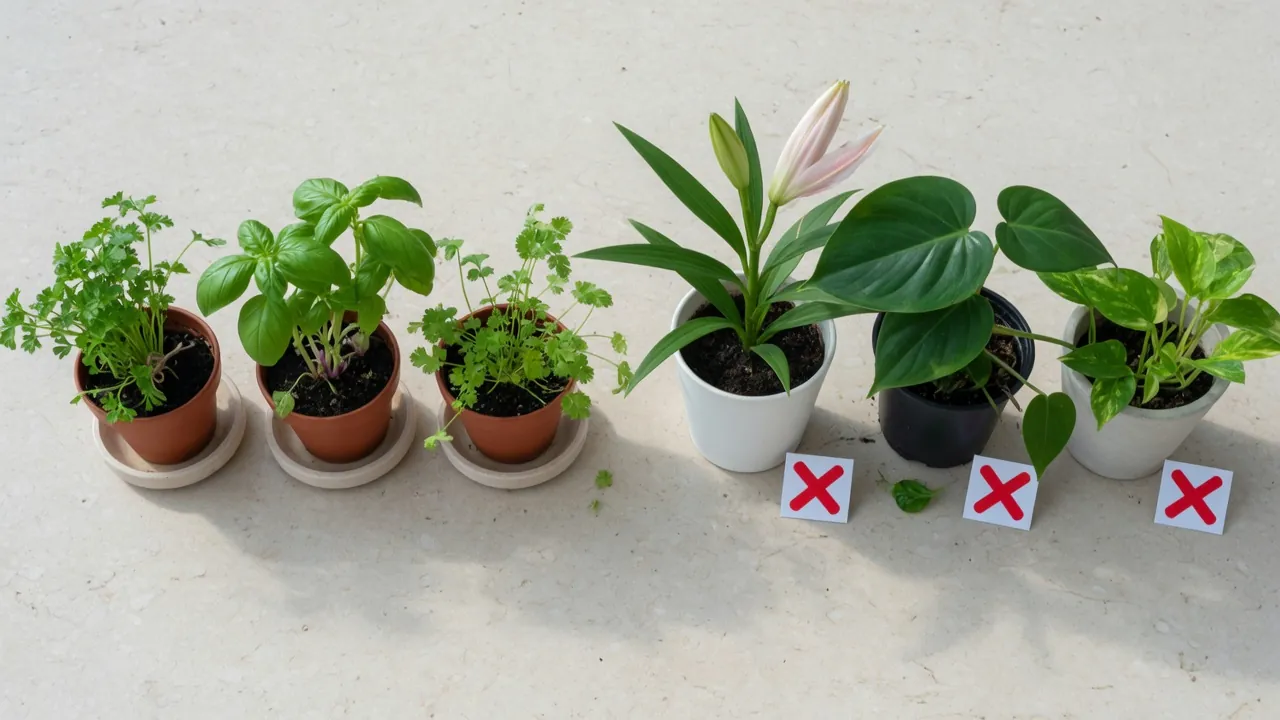
Amaryllis — All parts toxic, especially the bulb Autumn Crocus — Extremely toxic, often fatal Azalea — All parts toxic Caladium (Elephant Ear) — Intense oral irritation Dieffenbachia (Dumb Cane) — Severe mouth burning English Ivy — Leaves and berries toxic Holly — Berries are dangerous Lily of the Valley — Extremely toxic to the heart Oleander — Even small amounts can kill Pothos — Calcium oxalate crystals Rhododendron — Heart problems possible Sago Palm — Very high mortality rate Tulips — Bulb is most toxic Aloe Vera — Latex layer is toxic Jade Plant — Vomiting and depression Philodendron — Oral irritation Rubber Plant — Milky sap is toxic Spider Plant — Mild vomiting possible
Garden Plants — Keep Rabbits Away
Angel’s Trumpet — Seeds and flowers are deadly Castor Bean — Seeds are extremely toxic Daphne — Berries are highly toxic Foxglove — Heart problems, often fatal Larkspur — Young plants most dangerous Monkshood — Extremely toxic Morning Glory — Seeds most dangerous Wisteria — Seeds and pods toxic Buttercups — Most toxic when fresh Daffodils — Bulb is most toxic Hydrangea — Leaves and flowers Yew — Almost all parts toxic
Wild Plants — Check Your Yard
Black Cherry — Leaves and seeds (wilted is worse) Bloodroot — All parts toxic Buckthorn — Berries and bark Chrysanthemum — All parts toxic Jack-in-the-Pulpit — Intense oral burning Poison Hemlock — Extremely toxic, deadly Poison Ivy — Oil causes skin and stomach issues Pokeweed — Roots and seeds most dangerous Bindweed — Stomach upset Bluebonnet — Seeds most toxic Curly Dock — Oxalates cause kidney issues Horse Nettle — Berries and leaves
Foods That Are NOT Safe for Rabbits
Onions, Garlic, Leeks, Chives — Destroy red blood cells Avocado — Contains persin toxin Rhubarb Leaves — Extremely toxic, often fatal Chocolate — Theobromine is deadly Potatoes — Too starchy, digestive problems Corn — Cannot digest hulls, blockage risk Beans and Legumes — Gas and bloating Iceberg Lettuce — No nutrition, can cause diarrhea Caffeine — Found in coffee, tea, energy drinks Alcohol — Even small amounts are toxic
Safe Plants (For Reference)
Safe Herbs
Basil, Cilantro, Dill, Mint, Parsley, Rosemary, Thyme, Sage
Safe Vegetables
Romaine lettuce, Green leaf lettuce, Bok choy, Celery, Bell peppers, Cucumber, Zucchini, Broccoli
Safe Outdoor Plants
Timothy grass, Oat grass, Wheat grass, Clover (in moderation), Raspberry leaves, Strawberry leaves
Emergency Information
ASPCA Animal Poison Control: (888) 426-4435
Note: A consultation fee may apply
When you call, have ready:
- The plant name (or a photo)
- How much your rabbit ate (if known)
- Time of ingestion
- Any symptoms you have seen
Download the Full Toxic Plants Guide
Get detailed information on each plant, symptoms of poisoning, and what to do in an emergency.
Coming soon — sign up for our newsletter to be notified when it is available.
← Back to Toxic Plants Guide
Get the Full Toxic Plants Guide
Download our comprehensive guide covering every toxic plant, symptoms to watch for, and emergency steps.
Get the Free Guide Browse All Printables
When to Seek Professional Help
While home care can manage many situations, some circumstances require immediate professional veterinary attention. Understanding the difference between what you can handle yourself and what needs a veterinarian is one of the most important skills a rabbit owner can develop.
Contact a rabbit-savvy veterinarian immediately if:
- Your rabbit has stopped eating or drinking entirely
- You notice difficulty breathing or persistent wheezing
- There is visible injury, bleeding, or open wounds
- Your rabbit is unresponsive, severely lethargic, or unable to stand
- You suspect poisoning from a toxic plant or substance
- There has been no fecal output for more than 12 hours
Keep your veterinarian’s contact information and the number of the nearest after-hours emergency rabbit clinic posted somewhere easy to find. A rabbit emergency at 10pm is a terrible time to be searching for a phone number.
Long-Term Management and Prevention
Many rabbit health and behavior issues can be prevented or minimized with consistent daily care. A stable routine, appropriate diet, clean housing, and regular veterinary checkups form the foundation of preventive care. Monitor your rabbit daily for subtle changes — a slightly reduced appetite one day might be nothing, or it might be the first sign of a developing problem.
Keep a log of your rabbit’s normal behavior, droppings, eating patterns, and energy levels. When you know what normal looks like, you will notice deviations much faster. Early detection of problems almost always means simpler, cheaper treatment and better outcomes.
Building a Rabbit-Savvy Care Routine
The best rabbit care is routine-driven and consistent. Feed at the same times each day, clean the enclosure on a regular schedule, and provide fresh water daily. Handle your rabbit gently and consistently to build trust. Spay or neuter to prevent reproductive cancers and reduce problem behaviors. Keep your rabbit’s environment stable — rabbits thrive on predictability.
Invest in quality hay, appropriate housing, and the best veterinary care you can afford. The upfront cost of proper setup and preventive care is far less than treating a preventable illness or emergency.
