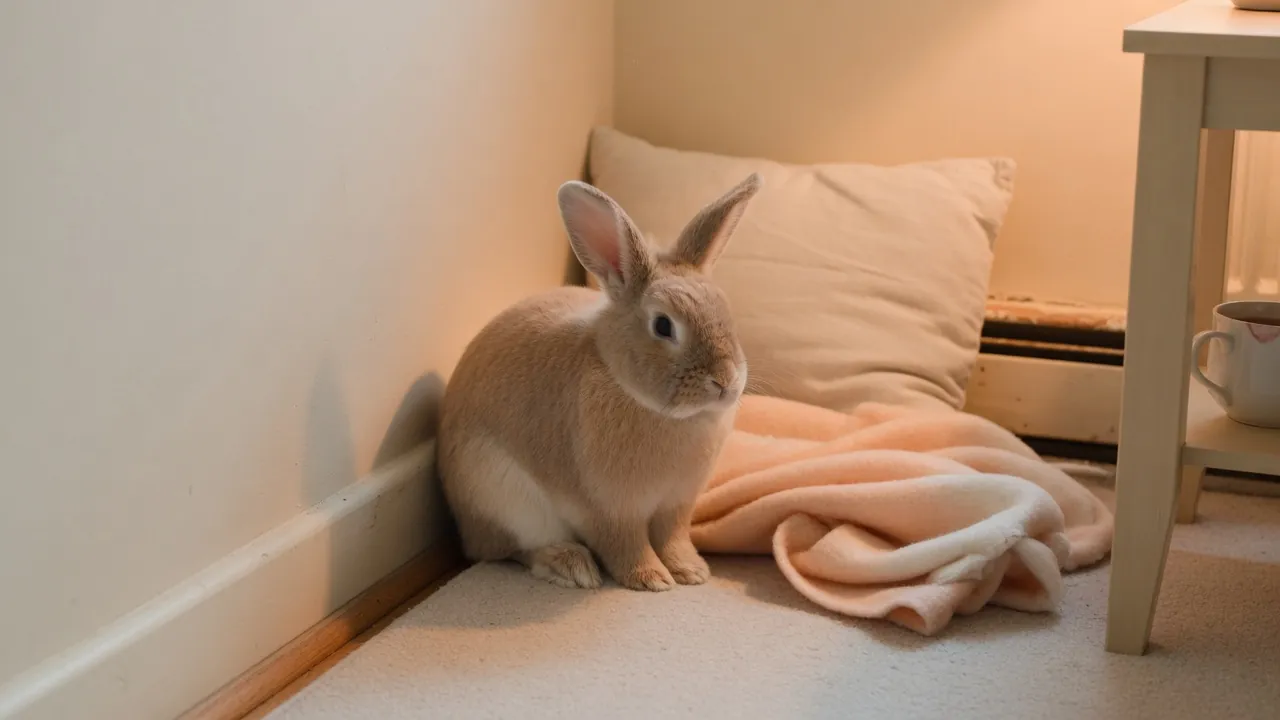
Rabbits evolved to hide weakness. In the wild, a sick rabbit is a target. This survival instinct is still strong in domestic rabbits — which means by the time your rabbit shows obvious signs of illness, the problem is usually serious.
This is why rabbit veterinarians stress the importance of knowing what is normal for your specific rabbit. Know their routine, their personality, their favorite positions, and their daily patterns. Deviation from normal is often the first — and sometimes only — sign that something is wrong.
The Bottom Line Up Front
Any of these warrant an immediate call to your vet:
- Not eating for 12 hours or more
- No poop production for 24 hours
- Lethargy lasting more than a few hours
- Head tilt or circling
- Labored breathing or wheezing
- Diarrhea or very soft cecotropes
- Blood anywhere it should not be
⚠️ Medical information: This article is for general educational purposes and is not a substitute for professional veterinary care. Always consult a rabbit-savvy veterinarian for health concerns. See our full disclaimer.
The Critical Concept: Rabbits Hide Illness Until It Is Advanced
Prey animals have evolved to conceal signs of illness or injury. A rabbit that appears healthy and normal may be carrying a serious condition. This does not mean rabbits do not get sick — they do, and frequently — it means the visible signs come late, after the condition has already progressed.
For rabbit owners, this means prevention and early detection are everything. You cannot wait for your rabbit to show you they are sick. You have to know what is normal so you can spot what is not normal.
What Normal Looks Like: Building Your Baseline
The foundation of rabbit health monitoring is knowing what is normal for your individual rabbit. Every rabbit is different. Some are more active in the morning; others are night owls. Some eat quickly and finish a meal in minutes; others graze throughout the day. Knowing your rabbit's normal patterns lets you detect changes that might indicate a problem.
Normal Eating Patterns
A healthy rabbit eats multiple times throughout the day. Hay is available continuously and is the primary food. Pellets and vegetables are eaten at meal times. Pay attention to how much your rabbit normally eats at each meal and how quickly they finish. A rabbit who normally empties their pellet bowl in 10 minutes and suddenly leaves food behind for an hour has communicated something important.
Normal Dropping Production
Rabbits produce fecal pellets continuously. A healthy rabbit produces somewhere between 200 and 300 fecal pellets per day. These droppings should be round, dry, and consistent in size. If you are not sure what normal looks like for your rabbit, do not look only at the shape — check the quantity. Count the droppings in the litter box at your rabbit's most productive times (usually first thing in the morning and after a meal). Write it down so you have numbers to compare against.
Normal Activity Level
Some rabbits are naturally more energetic; others are calm and sedate. Your rabbit's normal activity level is their own baseline. Note when they are most active (morning, evening, after meals), how they move around their space, and how they respond to you when you enter the room. A rabbit who always runs to the front of the cage when you enter and suddenly does not may be telling you something.
Normal Grooming Habits
A healthy rabbit grooms themselves thoroughly multiple times a day. The coat should be clean, fluffy, and well-maintained. Note how much time your rabbit spends grooming normally. A rabbit that suddenly grooms less or too much (over-grooming can indicate stress or skin problems) is communicating something.
Subtle Early Warning Signs
These are the signs that most owners miss because they are easy to attribute to normal behavior or environmental factors. Learn to recognize them.
Sitting in a Different Spot Than Usual
Rabbits are creatures of habit. They have favorite resting spots and favorite corners of the room. If your rabbit suddenly chooses a different spot — especially a more hidden or exposed location — it may be a sign of discomfort or a need to feel safer. Combine this with other signs before getting worried, but note it.
Not Coming for Breakfast
If your rabbit normally greets you at the food bowl and suddenly is not there, pay attention. This is one of the most reliable early warning signs. A rabbit who is not hungry is a rabbit whose body is already dealing with something. Call your vet the same day if your rabbit misses a meal and shows any other sign of being off.
Slightly Reduced Droppings
If your rabbit normally produces 200 droppings per day and suddenly produces 150, that is a meaningful change even though 150 sounds like a lot. Keep a mental note of normal dropping quantity. Smaller droppings, fewer droppings, or droppings that are noticeably different in shape are all worth noting.
Drinking Less Water
Most rabbits drink about 50 to 150 milliliters of water per kilogram of body weight per day. If your rabbit's water bowl is suddenly much fuller than usual, that is a sign they drank less. Dehydration is both a cause and a symptom of many rabbit health problems.
A Slightly Hunched Appearance
A rabbit that is normally relaxed and spread out but is now sitting slightly hunched with ears flat may be experiencing discomfort. This posture can be subtle — not the extreme balled-up position of a rabbit in severe pain, but a slight compacting that is different from normal.
Moving Slower Than Usual
If your rabbit is usually zipping around and is now moving more slowly, especially after rest, this is worth noting. Slow movement after rest is one of the hallmark signs of arthritis in senior rabbits, but it can also be an early sign of pain from other conditions.
A Slight Change in Dropping Shape or Size
Droppings that are slightly smaller or less round than usual, or that are more elongated than usual, can indicate gut motility changes. These subtle changes often precede a more significant slowdown. If you see a change in dropping shape or size that persists for more than 24 hours, contact your vet.
Obvious Emergency Signs
These are the signs that demand immediate action. If you see any of these, call your vet or an emergency rabbit hospital right now.
Not Eating at All for 12 or More Hours
This is the single most important emergency sign in rabbits. A rabbit that has not eaten anything for 12 hours is in crisis. Do not wait until the 12-hour mark if you notice a complete refusal to eat — act sooner. If your rabbit ignores their favorite treat (fresh herbs, a piece of fruit), that counts as not eating.
No Droppings for 24 Hours
No fecal output for 24 hours is an emergency. If your rabbit is producing no droppings at all and also not eating, go to the emergency vet now. The combination of no eating and no dropping together is particularly dangerous.
Head Tilt or Circling
Head tilt (also called wry neck or vestibular disease) is a sign of an ear infection, E. cuniculi, stroke, or other neurological problem. A rabbit that is tilting their head, circling in one direction repeatedly, or losing their balance needs veterinary attention today. Ear infections can spread to the brain if left untreated.
Gasping or Labored Breathing
Open-mouth breathing in a rabbit is a medical emergency. Rabbits breathe through their nose under normal circumstances. Open-mouth breathing means the rabbit is in respiratory distress. Get to an emergency vet immediately.
Diarrhea or Very Soft Cecotropes
Soft, unformed stool is diarrhea and is always a concern. Cecotropes (the soft, nutrient-rich droppings rabbits normally eat directly from the hindquarters) that are mushy, flattened, or unusually smelly also indicate a problem. Diarrhea in rabbits is serious because it rapidly causes dehydration and electrolyte imbalances.
Blood Anywhere It Should Not Be
Blood in the urine, blood from the nose or mouth, blood in the stool, or blood from the ears or skin all require immediate veterinary attention. The location of the blood tells you where to start investigating, but in all cases, a vet needs to see your rabbit.
Lethargy and Unresponsiveness
A rabbit that will not move, is unresponsive to stimuli, or lies flat and unresponsive needs emergency care. This is different from a resting rabbit — if your rabbit is normally responsive and suddenly is not, that is an emergency.
Paralysis or Inability to Move Hindquarters
Sudden paralysis or weakness in the back legs is a serious sign. This can indicate spinal injury, E. cuniculi, a stroke, or other neurological problem. Handle the rabbit very carefully (support the hindquarters) and get to a vet immediately.
Building a Rabbit Health Journal
The best way to catch problems early is to keep a simple health log for your rabbit. This does not need to be elaborate — a few notes each day is enough. Note:
- What and how much your rabbit ate today (pellets, vegetables, treats)
- Approximate dropping count or a description of dropping size and shape
- Water consumption (bowl full/half full/empty)
- Activity level (normal, more active than usual, less active than usual)
- Any behavioral changes (new hiding, aggression, unusual quietness)
- Any physical observations (drooling, wet chin, eye discharge, limping)
If you see a pattern emerging — for example, dropping count dropping over several days in a row — you have concrete data to share with your vet. This is enormously helpful for diagnosis. Patterns that might not be obvious in the moment become clear when you look back at a written log.
When to Go to the Vet vs. When to Wait and Watch
This is one of the most common questions rabbit owners face, and it is not always straightforward. Here is a framework for making the decision:
Go to the Vet Immediately (Today):
- No eating for more than 12 hours
- No droppings for more than 24 hours
- Head tilt with or without circling
- Open-mouth breathing
- Blood anywhere it should not be
- Severe lethargy or collapse
- Paralysis or inability to move
- Acute severe diarrhea
Call Your Vet Today and Schedule an Appointment:
- Reduced eating for more than 24 hours (even if not zero)
- Slightly reduced droppings for more than 48 hours
- Small amount of blood in urine
- Persistent limping
- Eye or nose discharge that persists for more than a day
- Sneezing or sniffling that continues for more than 2 days
- Skin problems (sores, fur loss, lumps)
- Behavioral changes that persist for more than a week
Wait and Watch (24 to 48 Hours):
- Single missed meal but normal behavior otherwise
- Small amount of soft cecotropes (once) but normal behavior
- One instance of diarrhea but normal appetite and energy
- Minor change in dropping size but normal quantity
When in doubt, call your vet. Most rabbit veterinarians would rather receive a call about something minor than treat an emergency that could have been prevented. Describe what you are seeing and let the office triage your case.
Common Conditions That Slip Past Owners
E. Cuniculi
This microscopic parasite causes kidney damage, neurological problems, and eye inflammation. Early signs can be very subtle: a slight head tilt, mild balance issues, increased thirst, weight loss. The head tilt often becomes more pronounced over days to weeks. Early treatment with fenbendazole is effective, but delayed treatment allows the damage to progress.
Dental Disease
Tooth spurs, overgrown roots, and dental infections are common in rabbits but frequently missed because the signs are subtle. Look for drooling (a wet chin is a classic sign), dropping food despite seeming hungry, tilting the head while eating, and weight loss. A rabbit that approaches food eagerly but does not actually eat much is showing a classic dental pain sign.
Ear Infections
Ear infections can begin with a slight head tilt, occasional scratching at one ear, or a mild head shake. Many owners dismiss these signs as normal rabbit behavior. As the infection progresses, the head tilt worsens, the rabbit may circle, and they may lose balance. Early treatment with antibiotics is usually effective; advanced infections are harder to treat.
Arthritis
Arthritis is extremely common in rabbits over age 5 but is frequently attributed to "just being old." Signs include reluctance to jump, moving more slowly after rest, sitting with feet splayed flat, and not grooming thoroughly. Arthritis is manageable with pain medication, environmental modifications, and joint supplements. There is no reason to let a rabbit suffer in silence.
Urinary Tract Infections and Bladder Stones
These may begin with small changes: urinating outside the litter box, a slight pink tinge to the urine, or straining briefly during urination. Many owners think these are behavioral problems rather than medical ones. A vet can check urine and imaging can identify stones. UTIs are treated with antibiotics; bladder stones may require surgery.
Ready to Dive Deeper?
Print our free Rabbit Health Checklist to track your rabbit's condition at home.
Frequently Asked Questions
My rabbit ate breakfast but not lunch. Is that an emergency?
A single missed meal, especially if your rabbit ate normally at breakfast and returns to normal at the next meal, is usually not an emergency — but it is a warning sign. Note it in your health journal and watch closely for the rest of the day. If your rabbit misses two consecutive meals, that is a call to your vet. Any time a rabbit eats less than usual for more than 24 hours, contact your vet.
My rabbit's droppings are a little smaller than normal but still round. Should I worry?
Persistently small droppings over more than 48 hours warrant a call to your vet. One instance of slightly smaller droppings after a stressful event may just be temporary gut slowdown. But if the smaller droppings persist without an obvious trigger, get veterinary input.
I found one soft cecotrope outside the litter box. Is that diarrhea?
One soft cecotrope outside the box is usually not a concern — rabbits occasionally miss the target when eating cecotropes. Multiple soft cecotropes or unformed droppings are diarrhea and need attention.
How do I know if my rabbit is in pain versus just resting?
Resting rabbits are relaxed — body soft, ears neutral, responsive to sounds. A rabbit in pain is tense — compact body, flattened ears, minimal movement. A resting rabbit shifts positions and stretches; a rabbit in pain stays still.
My rabbit is drinking more water than usual. Is that a problem?
Increased thirst can indicate kidney problems, diabetes, a urinary tract infection, or simply a response to heat or diet change. If your rabbit is suddenly drinking much more water than usual for more than a few days, mention it to your vet.
My rabbit is acting normal but has had diarrhea just once. Should I still call the vet?
One episode of diarrhea in a rabbit who is otherwise acting normal is worth a call to your vet but not necessarily an emergency visit. Describe the episode and your rabbit's current condition.
